


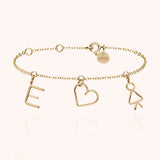

The tennis bracelet has evoked, for decades, a line of stones aligned along a continuous wire, worn on the wrist as naturally as an engagement ring. But behind this seemingly simple silhouette lies a wire-shaping process that varies radically from one atelier to another. In this article, we tell the story of how Atelier Paulin has hand-shaped its tennis bracelet since 2014, which materials come into play, how long manufacturing takes, and how to tell a carefully crafted piece from a mass-produced one. A useful read before you choose yours.
What a Tennis Bracelet Really Is: Origin and Wire Structure
The name "tennis bracelet" comes from a sporting anecdote from the 1980s, but the structure that defines it is far older: a continuous line of stones set along a metal wire, with no visible breaks between one element and the next. It's this continuity that makes the style instantly recognizable on the wrist.
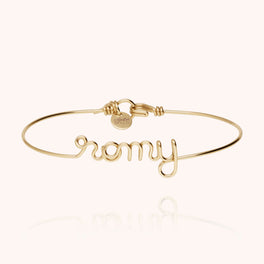
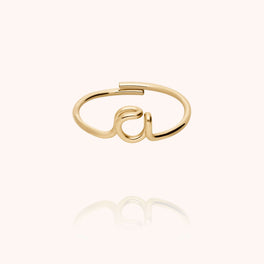
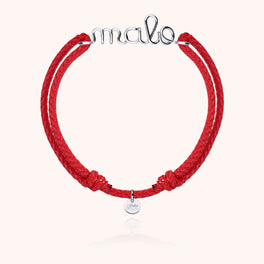
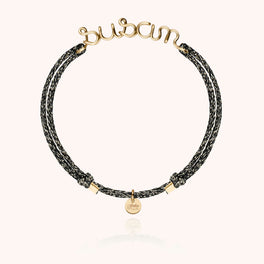
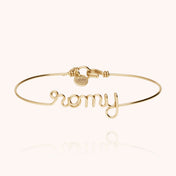
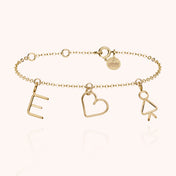
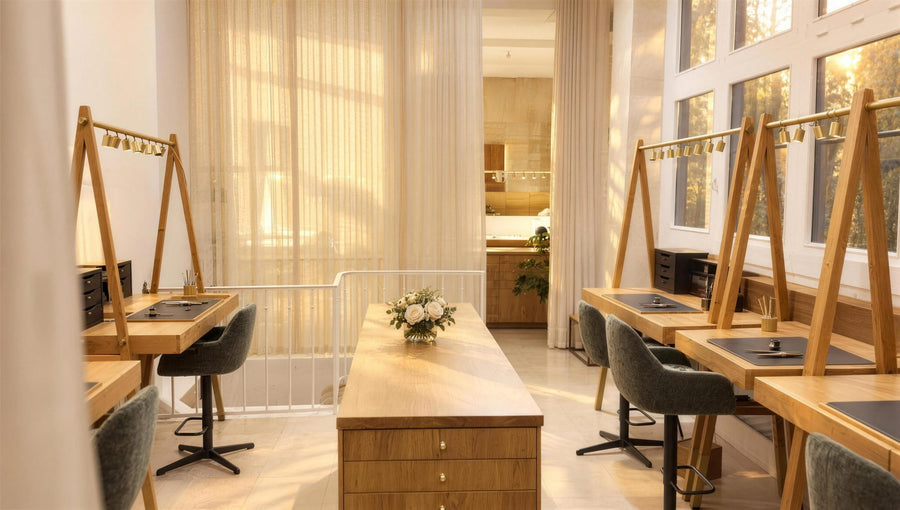
At Atelier Paulin, the wire that holds this line of stones isn't a simple support: it's hand-shaped, point by point, by Parisian artisans who have worked precious wire for years. The gesture is slow, repeated, and requires steady hand pressure to achieve an even curve all along the wrist. The weight of the finished piece varies according to the chosen length and material, but it's always designed for everyday wear, without stiffness.
This three-dimensional wire-shaping stands clearly apart from flatter, more standardized jewelry techniques. Anyone looking for a tennis bracelet built to last will find it worthwhile to compare the models available in the dedicated collection, to get a concrete sense of proportions and finishes before choosing.
Discover the full selection in the bracelet collection, where every piece is designed to accompany the wrist without ever weighing it down.
Sterling Silver, Gold-Filled, or 18k Gold: Which Wire to Choose
The choice of material significantly changes the look and durability of the tennis bracelet over time. Atelier Paulin works with three main materials: sterling silver 925, 14k gold-filled (585/1000), and 18k gold (750/1000).
Sterling silver offers a cool brightness and a good balance between lightness and solidity, suited to everyday wear. 14k gold-filled, available in yellow and rose, offers a warm tone with a shine that's guaranteed for life — a technical point that sets this material apart from the others. 18k gold, available in yellow, rose, and white, remains the densest choice, with a richer hue and superior durability over time.
A detail that's often overlooked: gold-filled exists exclusively in yellow and rose, not in white. Anyone wanting a white tone should turn to 18k white gold.
After hand-shaping, the entire piece undergoes work-hardening — a cold treatment applied to the whole piece, never letter by letter or link by link — which reinforces its durability without altering the fineness of the line.
For anyone torn between several materials, the bracelet collection lets you compare the light-reflecting finishes side by side, silver against gold-filled, before deciding.
Manufacturing Times: How Long to Wait for a Made-to-Order Tennis Bracelet
Unlike mass-produced pieces kept in stock, every tennis bracelet hand-shaped by Atelier Paulin is made after the order is placed. Manufacturing times depend on the chosen material: 1 to 3 business days for sterling silver and for gold-filled (yellow or rose), 2 to 5 business days for 18k gold, in all its tones. These times do not include shipping, which is handled separately depending on the destination.
This difference comes down to the very nature of the wire being worked: 18k gold, being denser, calls for a slower gesture and more passes through the artisan's hands to reach the same evenness of line as silver or gold-filled.
Anyone shopping for a gift for a specific occasion would do well to factor in these times with a comfortable margin, rather than relying on express delivery promises that don't match the reality of handcrafted manufacturing.
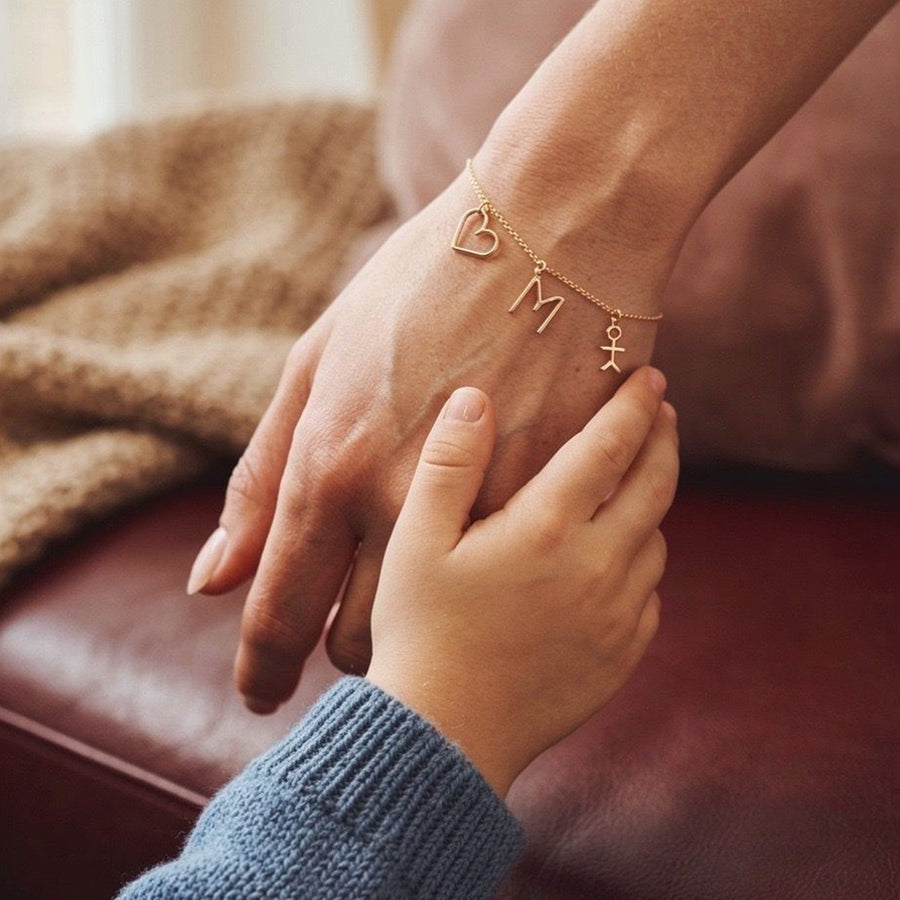
Once ready, the bracelet is presented in a jewelry box, designed for everyday keeping as much as for gift-giving. To explore other pieces designed to mark a gesture of affection, the More Love collection brings together symbolic models meant to mark a special bond.
How to Pair the Tennis Bracelet with Other Hand-Shaped Wire Jewelry
The tennis bracelet lends itself to being worn alone, its continuous line speaking for itself without needing other elements. But it can also fit into a broader look, as long as a certain consistency of material and tone is respected.
Pairing it with a necklace in the same metal — silver with silver, yellow gold-filled with yellow gold-filled — avoids overly jarring visual breaks within the same outfit. Anyone drawn to a more symbolic style can turn to pieces inspired by astrological themes, which pair well with a more classic piece like the tennis bracelet thanks to their equally fine wire.
The Astrology Collection offers pieces designed to be layered without weighing down the wrist or neck, in a more personal register that pairs well with the clean line of the tennis bracelet.
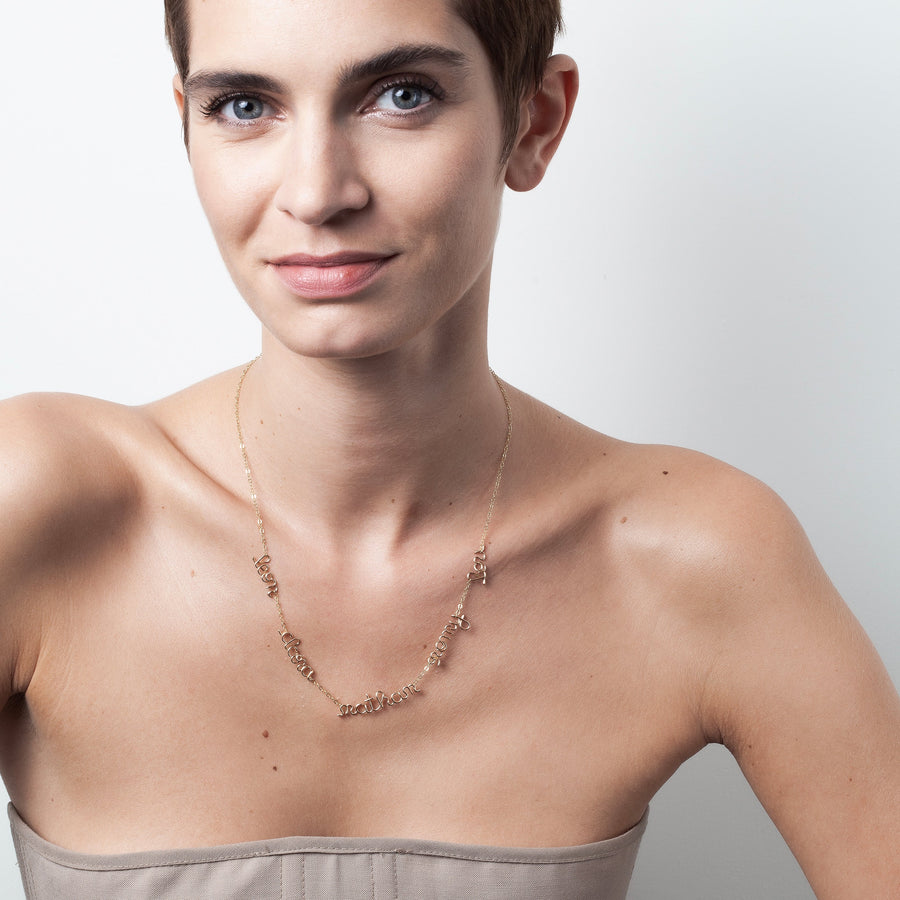
For anyone who prefers a necklace as the centerpiece rather than a bracelet, it's also worth exploring the necklace collection, where you'll find models with the same artisanal spirit, hand-shaped with the same attention to detail applied to every tennis bracelet from the atelier.
Care and Warranty: Making Your Tennis Bracelet Last
A tennis bracelet is designed to be worn every day, but a few simple precautions help preserve its original look. Avoiding prolonged contact with chlorinated water, direct application of perfume onto the metal, and sudden mechanical strain on the wire line helps maintain the evenness of the curve achieved during hand-shaping.
Every Atelier Paulin piece is covered by a 1-year warranty from the date of purchase. The exception is the shine of gold-filled, which is guaranteed for life — a commitment tied to the very nature of this material, distinct from the rest of the standard warranty.
On returns: a non-personalized bracelet can be refunded or exchanged. A piece hand-shaped to the customer's specific request, on the other hand, cannot be exchanged or refunded once made — a clear policy, communicated before purchase.
For anyone starting their selection or comparing several models before choosing, the collections frontpage offers a full overview of every piece currently available at the atelier.
Frequently Asked Questions
Can the Atelier Paulin tennis bracelet be personalized with a name?
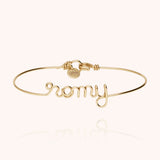
Not all bracelets are personalizable, and the tennis bracelet, with its continuous line of stones, isn't designed to carry lettering. Anyone looking for a piece with a name or a word can turn to other models in the atelier specifically designed for personalization. Lettering, when available on other pieces, is always in lowercase script, with the sole exception of an initial capital J.
How long does it take to receive a made-to-order tennis bracelet?
Manufacturing times vary by material: 1 to 3 business days for sterling silver and gold-filled, 2 to 5 business days for 18k gold. These times cover the handcrafted manufacturing only and do not include shipping, which is added separately depending on the destination.
What's the difference between gold-filled and 18k gold for a tennis bracelet?
14k gold-filled comes only in yellow and rose, with a shine that's guaranteed for life. 18k gold (750/1000) also comes in white, in addition to yellow and rose, and is a denser material. The choice comes down to the desired tone and budget, both suited to everyday wear.
Can a tennis bracelet be returned if I change my mind?
A non-personalized bracelet can be refunded or exchanged under standard conditions. If the piece was hand-shaped to order with an element chosen by the customer, it cannot be exchanged or refunded, since it's a one-of-a-kind piece made for that person.
How is the tennis bracelet delivered once ready?
Every Atelier Paulin piece, including the tennis bracelet, is presented in a jewelry box upon delivery. This means it can be kept with care over time or given as a gift just as it is, with no need for extra packaging.
Discover the tennis bracelet and other hand-shaped pieces in the bracelet collection from Atelier Paulin.
Article by Emma Van Baal — Editorial, Atelier Paulin. Read the profile
