


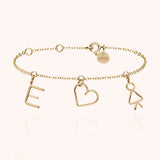
June is the rare month with three birthstones instead of one: pearl, alexandrite, and moonstone. Each carries a different story — the pearl formed slowly inside a living mollusk, alexandrite shifting color under different light, moonstone holding a pale inner glow called adularescence. For anyone shopping for a June-born friend, sister, or partner, the real question isn't which stone is "correct" — it's which one fits the piece and the person. This guide breaks down what each June birthstone actually is, how they're traditionally worn, and how a hand-shaped gold wire setting changes the way they sit on the skin.
Why June Has Three Birthstones Instead of One
Most months settle on a single birthstone. June didn't, and the reason is mostly historical. Pearl has been June's traditional stone since at least the early 20th century, when the National Association of Jewelers formalized a modern birthstone list in 1912. Alexandrite was added later as a modern alternative, prized for a trait almost no other gem has: it shifts from green in daylight to red-violet under incandescent light, a property caused by trace chromium in the crystal structure. Moonstone, the third option, was folded into some lists as an additional modern choice, valued for its soft, sliding light effect rather than for color or clarity.
In practice, this means someone born in June has more flexibility than most. A gift doesn't need to pick the 'right' one — it needs to pick the one that matches how the piece will actually be worn day to day. Pearl reads classic and quiet. Alexandrite reads rare and conversation-starting. Moonstone reads soft and everyday-wearable.
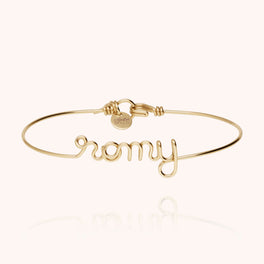
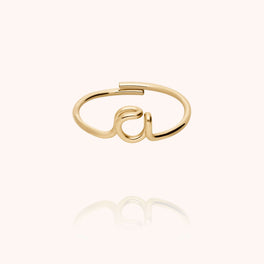
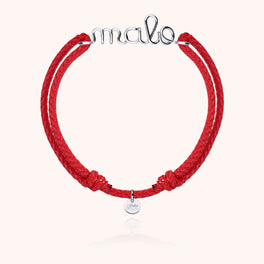
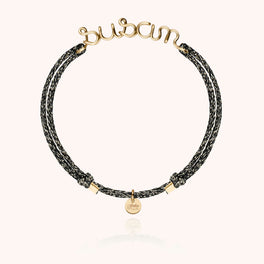
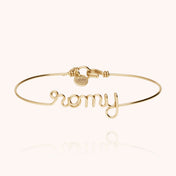
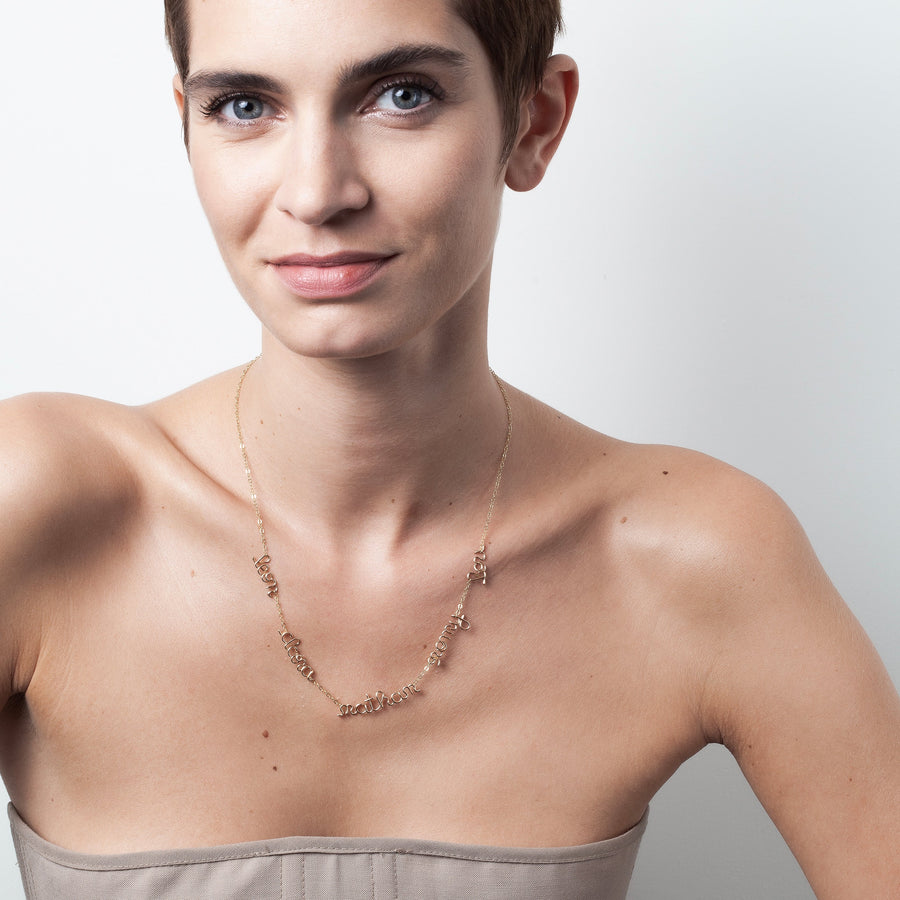
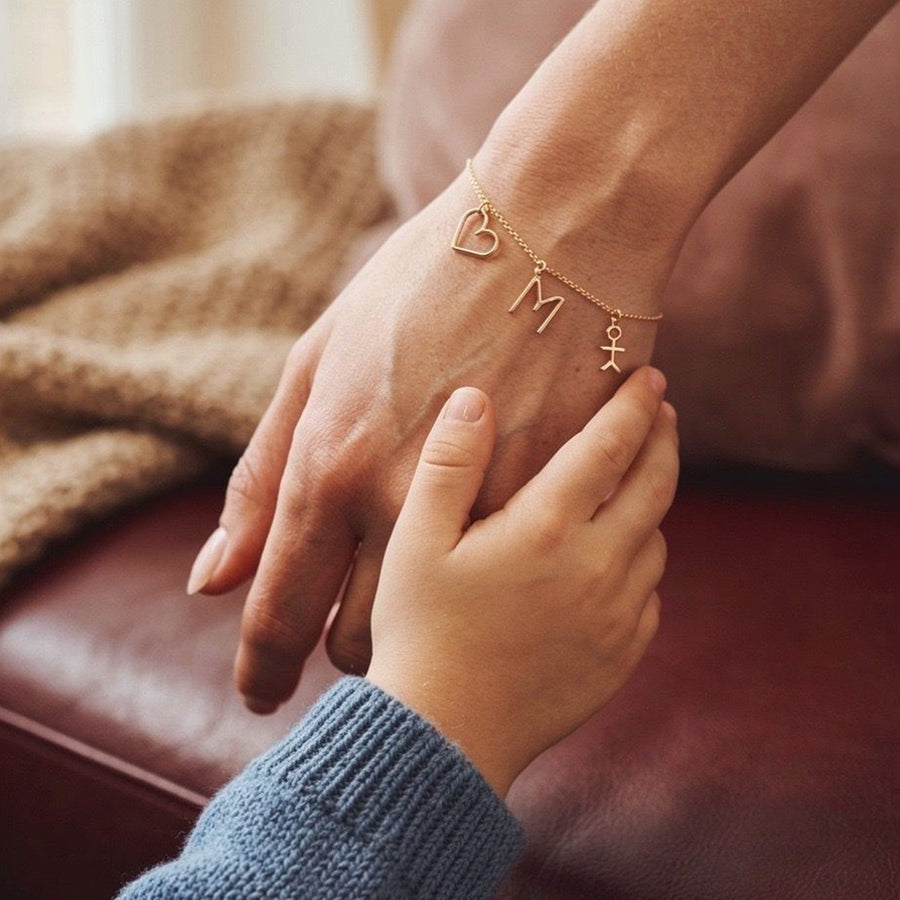
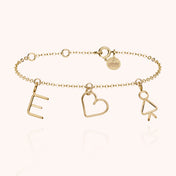
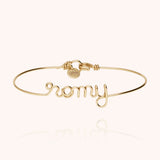
At Atelier Paulin, this flexibility matters because personalization is layered on top of the stone choice, not instead of it. A piece can carry both a birthstone and a name, an initial, or a short word hand-shaped into the wire itself. Browse the full range on the homepage to see how stone and personalization work together across bracelets and necklaces.
Pearl: The Classic June Birthstone
Pearl is the oldest and most recognized of the three June birthstones. Unlike mined gems, a pearl forms inside a living oyster or mussel as a defense response to an irritant, built up in fine layers of nacre over months or years. That organic origin is part of why pearls have a soft, slightly translucent glow rather than a hard sparkle — no two are perfectly identical.
For jewelry, pearl pairs particularly well with warm metal tones. A single pearl set near a hand-shaped name in 14k gold-filled wire keeps the piece looking soft rather than stark; the cream or white of the pearl sits gently against the warmth of the gold, without competing with it. Pearl also tends to suit necklaces worn close to the collarbone, where its lower light reflection reads as understated rather than showy.
One practical note for gifting: pearl is a relatively soft material compared to gemstones like sapphire or diamond, so pieces combining pearl with personalization are usually better suited to necklaces and earrings than to bracelets worn daily against a desk or a bag strap. Anyone building a June gift around pearl can look at the necklace collection for pieces where a birthstone accent sits alongside a hand-shaped detail, keeping the whole piece cohesive rather than adding two competing focal points.
Alexandrite: The Color-Change June Stone
Alexandrite is the birthstone most people have heard of but never actually seen. It was first identified in Russia's Ural Mountains in the 1830s and named after Tsar Alexander II. Its defining trait — shifting from green-toned in daylight to a red-violet cast under warm indoor light — comes from the way trace chromium absorbs light differently depending on the source. Natural alexandrite is genuinely rare and priced accordingly; most jewelry sold today uses lab-created alexandrite, which shows the same color-change effect through the same optical principle, at a more accessible price point.
Because the color shift is the whole point of the stone, alexandrite tends to work best in settings that don't hide it — open-back mounts, simple bezels, pieces where light reaches the stone from more than one angle. A hand-shaped wire setting, which wraps a single continuous strand of precious wire around the stone rather than boxing it into a flat mount, tends to let more ambient light in than a fully enclosed setting.
Alexandrite also sits well within astrology-driven gifting, since June spans both Gemini and Cancer depending on the exact birthdate. For anyone building a gift around both the month and the zodiac sign, the astrology collection offers pieces where a birthstone accent can be combined with a sign-specific detail, without overcrowding the design.
Moonstone: The Quiet, Everyday June Stone
Moonstone is the most affordable and most wearable of the three June birthstones day to day. Its signature effect, adularescence, is a soft, billowy light that seems to float just under the surface of the stone as it moves — caused by light scattering across thin, layered feldspar structures inside the gem. Unlike alexandrite's dramatic color shift, moonstone's glow is subtle enough to wear with anything, which is likely why it has become the most commonly gifted of the three in casual jewelry.
Moonstone's pale, almost translucent body color (typically white, grey, or a faint blue sheen) makes it a natural match for both silver and gold settings, unlike pearl, which leans warmer. In a bracelet meant for daily wear, moonstone holds up well against light knocks better than pearl does, though like all gemstone settings it should still come off before intense physical activity.
For gift-givers looking to combine a June birthstone with a message rather than just a stone, the bracelet collection includes pieces where a moonstone accent can sit alongside a hand-shaped word or initial — the stone marks the birth month, the lettering marks the person. Anyone comparing across birth months can also see how other stones translate into hand-shaped settings in the September sapphire guide or the October opal and tourmaline guide.
Choosing a Setting: Why the Wire Matters as Much as the Stone
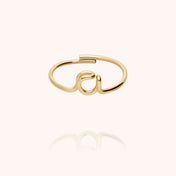
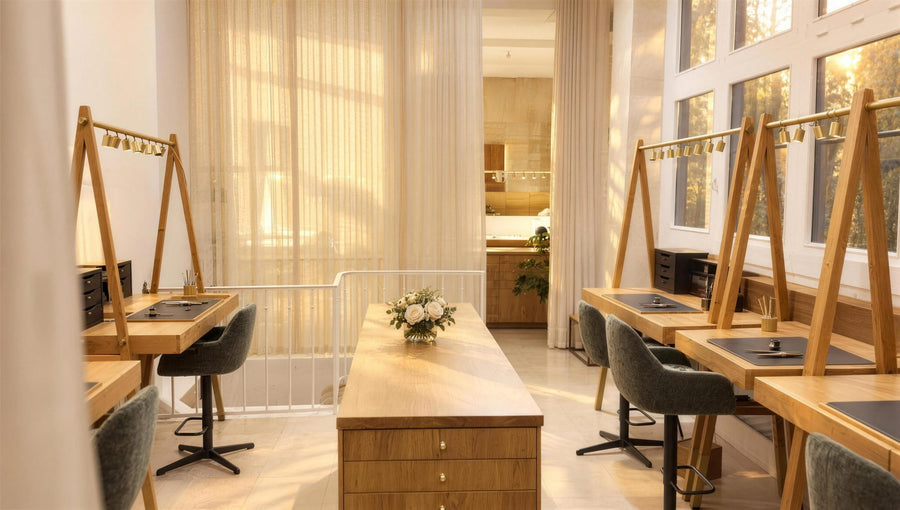
A birthstone is only half the piece. The setting decides how it's worn, how long it lasts, and whether it feels personal or generic. Since 2014, Atelier Paulin has worked from a different starting point than most jewelers: rather than cutting or casting a flat setting and dropping a stone into it, the Paris atelier shapes a single continuous strand of precious wire by hand around the design — the same technique used for hand-shaped names, initials, and short words.
This matters for two practical reasons. First, weight and feel: a hand-shaped wire setting tends to sit lighter on the wrist or neck than a cast mount of the same visual size, because the wire itself carries the structure rather than a solid metal block behind the stone. Second, durability: after shaping, the entire piece goes through work-hardening (écrouissage) — a cold-working process applied to the whole piece, not letter by letter, that gives the wire its shape memory and resistance to daily wear. Tension points are reinforced with laser micro-welding, an invisible-joint technique — the wire is shaped and welded, never left unsoldered.
Manufacturing takes 1 to 3 business days for sterling silver and 14k gold-filled wire, or 2 to 5 business days for 18k gold, before shipping. Anyone in Paris can also have a piece personalized directly at the atelier in about thirty minutes, or receive same-day courier delivery locally. Every piece — birthstone or lettered — arrives in a jewelry case, ready to give. For a side-by-side sense of how this technique differs by season and stone, the December birthstone guide covers turquoise, zircon, and tanzanite in the same hand-shaped approach.
Frequently Asked Questions
What is the real June birthstone: pearl, alexandrite, or moonstone?
All three are recognized June birthstones — pearl is the traditional choice dating to the early 1900s, while alexandrite and moonstone are modern alternatives added later. There's no single 'correct' one; jewelers and gemological associations list all three. Pearl tends to suit classic, understated pieces; alexandrite suits people drawn to its color-shifting rarity; moonstone suits everyday wear thanks to its soft, subtle glow. The choice usually comes down to how the piece will be worn, not a fixed rule.
Is alexandrite a real stone or always lab-created?
Natural alexandrite exists and is genuinely rare, first identified in Russia's Ural Mountains in the 1830s. Because natural supply is limited, most alexandrite jewelry sold today uses lab-created stones, which show the same color-change effect — green in daylight, red-violet under warm indoor light — through the same optical process caused by trace chromium. Lab-created alexandrite is a legitimate, widely accepted option, not an imitation of a different material.
Can a June birthstone piece also be personalized with a name?
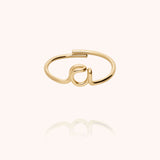
Yes, on pieces designed to combine both. Atelier Paulin hand-shapes names, short words, or initials from a single strand of precious wire, and certain bracelets and necklaces are built to pair that lettering with a birthstone accent. Lettering is entirely lowercase except a capital 'J' at the start of a word, with no accents or apostrophes; Capital and Capital Initial models are the exception and appear fully in uppercase.
Does moonstone or pearl need special care to avoid damage?
Both are softer than gemstones like sapphire, so they should come off before intense physical activity, swimming, or sports — this applies to the stone itself, not necessarily the metal setting. If the piece is set in 14k gold-filled wire, the gold itself tolerates water well; the caution is specifically about protecting the stone from impact, not the metal from moisture.
How long does it take to make a personalized June birthstone piece?
Hand-shaping takes 1 to 3 business days for sterling silver or 14k gold-filled wire, and 2 to 5 business days for 18k gold — this is atelier time only, before shipping. Home delivery adds 2 to 5 days on top of that. Paris-based customers can also have a piece personalized on-site in about thirty minutes or receive it by same-day courier.
Looking for a piece that pairs a June birthstone with a hand-shaped name or initial? Explore the bracelet collection and necklace collection — every piece is hand-shaped from a single strand of precious wire at the Atelier Paulin workshop in Paris, since 2014.
Written by Emma Van Baal, Editorial, Atelier Paulin. About the author
